The U.S. housing market just got another dose of bad news for buyers. Mortgage rates climbed for a fourth straight week, pushing the average 30-year fixed mortgage to 6.95% as of September 17, 2026.
That is a noticeable jump from 6.76% one week earlier and 6.26% at the same point last year. The 15-year fixed mortgage also moved higher, rising from 6.09% to 6.26%, according to Freddie Mac.
For buyers who have been waiting for cheaper financing, the latest increase is a tough break. Rates sitting near 7% can add hundreds of dollars to a monthly payment compared with the borrowing costs many Americans expected earlier this year.
The increase also lands at an awkward time for sellers. More homes are hitting the market. But higher mortgage rates are making it harder for buyers to take advantage of that extra supply.
Mortgage Rates Near 7% Are Squeezing Homebuyers

Vlad / Pexels / A mortgage rate can look like a small number on paper, but a one-percentage-point swing can reshape a household budget.
Consider a buyer taking out a $400,000, 30-year mortgage. At 6%, the monthly principal and interest payment comes to roughly $2,398. At 7%, that payment jumps to about $2,661, adding more than $260 every month before taxes, insurance or homeowners association fees enter the picture.That extra cost can force buyers to make uncomfortable choices. Some may look for a smaller home, increase their down payment, or move their search farther from expensive neighborhoods. Others may simply stop shopping until rates improve.
The pressure is showing up in housing activity. Existing-home sales fell 2% in August to a seasonally adjusted annual rate of 3.98 million, according to the National Association of Realtors. Sales were also 1.2% lower than a year earlier.
However, the slowdown has not produced a nationwide collapse in home prices. The median existing-home price reached $429,100 in August, up 1.6% from the same month in 2025. That marked the 38th straight month of year-over-year price increases. Buyers are getting more choices in many areas, but they are not getting the broad price reset that would offset today's expensive financing.
Inventory offers one piece of good news. The number of existing homes for sale reached 1.62 million in August, up 5.9% from a year earlier and 3.2% from July. That works out to 4.9 months of supply at the current sales pace, the highest level in more than a decade. NAR Chief Economist Lawrence Yun said the larger supply is giving buyers better opportunities to negotiate.
The Fed and Treasury Market Are Keeping Rates Hot
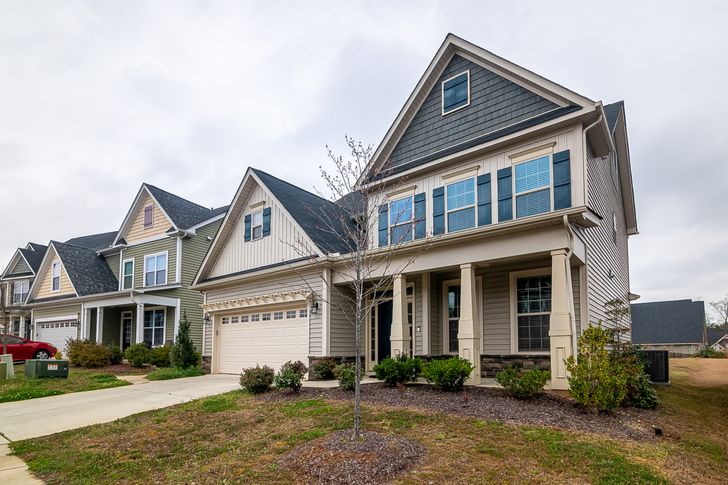
Curtis / Pexels / Mortgage rates do not move directly with the Federal Reserve's benchmark interest rate. They tend to follow movements in the bond market, particularly the 10-year U.S. Treasury yield, along with expectations for inflation and future monetary policy.
That connection has become especially important this month. Bond yields have risen as investors respond to inflation concerns, geopolitical uncertainty and expectations that interest rates could stay elevated.
The Federal Reserve added more pressure on September 16. Policymakers raised the federal funds target range by a quarter percentage point to 3.75% to 4%, marking the Fed's first rate increase since 2023. The central bank pointed to inflation that remains elevated. The Fed said the rate increase would support a faster return toward its 2% inflation goal, while acknowledging continued uncertainty tied partly to geopolitical developments.
But that does not mean mortgage lenders automatically add a quarter point every time the Fed moves. Mortgage rates reflect what investors expect inflation, economic growth and interest rates to look like over a much longer period.