The U.S. housing market just caught a break, and it may already be fading. Mortgage rates briefly slipped below 6%, giving homebuyers a rare moment of relief after two long years of expensive borrowing. That window now looks fragile as the escalating Middle East conflict shakes financial markets.
Fresh tensions involving Iran have rattled investors and sent oil prices climbing. That shift stirs new fears about inflation, which quickly spread through the bond market. Mortgage rates often follow the yield on the 10 year Treasury note, so when investors demand higher returns, borrowing costs for homebuyers tend to rise.
According to Freddie Mac, the average rate on a 30-year fixed mortgage reached 6% for the week ending March 5. The previous week saw a rate of 5.98%, which marked the first dip below 6% since 2022. The increase looks tiny on paper, yet the timing could not be worse for the housing market.
Spring normally marks the busiest homebuying season of the year. Many buyers had hoped that falling rates would finally loosen the market. Instead, global conflict is bringing fresh uncertainty just as buyers begin touring homes and submitting offers.
Oil Prices and Inflation Fears Push Rates Higher

Al Jazeera / Conflict in the Middle East often drives oil markets into panic mode because the region controls a large share of global supply. And this war is no exception.
Higher oil prices quickly ripple through the economy. Gas, shipping, food production, and manufacturing costs often rise together. Those increases spark fears that inflation could climb again in the United States.
Investors respond fast when inflation risks appear. They sell government bonds or demand higher yields to protect their returns. That reaction pushes the yield on the 10 year Treasury note higher, and mortgage rates tend to follow the same direction.
When Treasury yields move upward, lenders often raise mortgage rates to match the higher cost of borrowing money. That pattern explains why global events can affect homebuyers thousands of miles away.
Even a modest rate jump can shift the housing conversation. Many buyers calculate affordability down to the dollar each month. A small increase can raise payments enough to make buyers hesitate.
A Psychological Shift Hits the Housing Market
Financial experts say the difference barely changes monthly payments for most borrowers. The emotional impact tells a different story.
Kate Wood, a lending expert at NerdWallet, says the psychological effect matters more than the math. Buyers often react strongly when rates cross a round number. Seeing a mortgage rate start with a six instead of a five can feel like the market turned against them.
Housing markets run partly on confidence. Buyers need to believe the moment is right before committing to a large loan. Sellers also watch mortgage rates closely before listing their homes.
The brief dip below 6% created a wave of cautious optimism. Buyers started returning to open houses, and sellers began preparing listings for spring. That fragile momentum now faces a new challenge from global uncertainty.
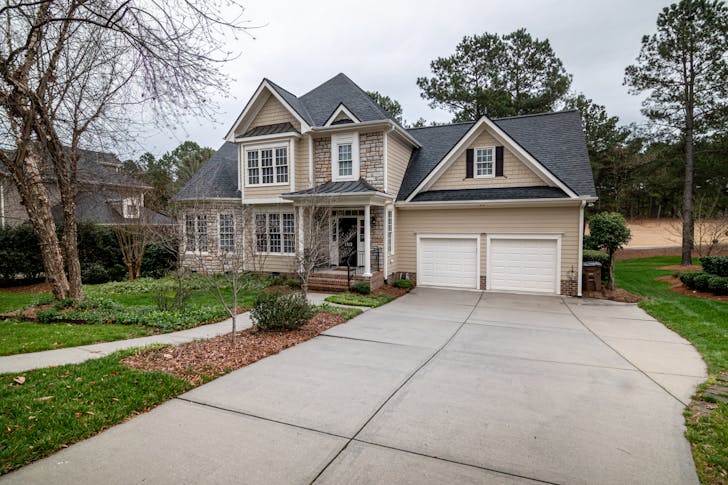
Curtis / Pexels / Economists say the future path of mortgage rates depends heavily on how long the conflict lasts. A short period of tension could keep rates close to current levels.
Markets might settle once energy prices stabilize and inflation fears cool down.
That scenario would allow the housing market to keep most of the progress made over the past year. Mortgage rates remain far lower than the 6.6% average recorded one year ago. Buyers still hold more purchasing power than they did in early 2025.
If inflation refuses to fall, the Fed may delay interest rate cuts. In a worst-case situation, policymakers might even consider tightening policy again. Those moves would keep bond yields elevated and mortgage rates stubbornly high.
Daryl Fairweather, chief economist at Redfin, warns that extended conflict could lock in higher borrowing costs. She notes that sustained oil spikes often feed long-term inflation expectations.