Chime Financial is making one of the biggest changes in its history. The fintech company has agreed to acquire longtime partner Stride Bank for $590 million in cash, bringing a major piece of its banking operation directly under its control.
The fintech giant announced the agreement on September 8, 2026. The deal gives the company something particularly valuable: a national bank charter that could change how it handles deposits, lending, payments, and other financial services. Investors quickly showed their approval. Chime shares jumped nearly 10% in extended trading after the announcement, adding to a year in which the stock had already gained more than 28%.
Trading remained unusually active the following day. Chime shares closed at $34.55 on September 9 after reaching a fresh 52-week high of $35.55, while trading volume climbed to more than twice its typical daily level. The market reaction reflects the size of the opportunity.
Chime Gets Its Own National Bank Charter
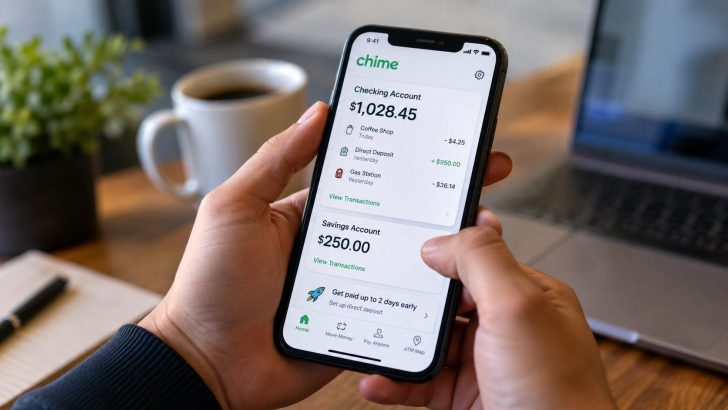
E News / Stride Bank is hardly a newcomer to the banking industry. Founded in 1913 and based in Enid, Oklahoma, the institution provides consumer and commercial banking services under a national charter.
Stride has also worked with Chime for more than seven years. That existing relationship means Chime is not buying an unfamiliar institution and hoping the pieces fit after regulators approve the transaction.
Once the acquisition closes, Stride will become a wholly owned Chime subsidiary. The bank will also receive a new name, Chime Bank, N.A., putting the fintech company's brand directly onto its regulated banking operation. Stride Chairman and CEO Brud Baker will remain in charge of Chime Bank following the transaction. Baker has worked at Stride since 1970, giving the new operation decades of traditional banking experience alongside Chime's technology-focused approach.
The deal still needs important regulatory approvals before anything becomes official. Chime expects the transaction to close during the first half of 2027, assuming regulators and other required parties approve it. Those reviews include approval from the Office of the Comptroller of the Currency and the Board of Governors of the Federal Reserve System.
Chime plans to fund the entire $590 million purchase using cash already on its balance sheet. The company does not expect to issue debt or new shares, which means existing shareholders should avoid dilution from the transaction itself. The purchase price equals roughly 1.5 times Stride's tangible book value.
Why Buying Stride Could Save Chime Serious Money?
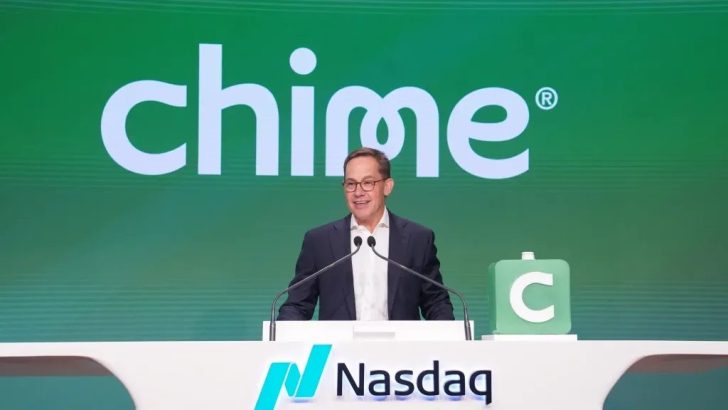
DW / Chime currently depends on partner banks to hold deposits and clear transactions, sharing some of the revenue generated through those relationships.
Owning Stride allows Chime to remove many of those sponsor bank fees. The company expects the deal to generate more than $100 million in net synergies through lower expenses, cheaper funding, and broader lending opportunities.
The funding advantage could become especially important as Chime expands its credit products. Instead of relying as heavily on more expensive outside funding, Chime Bank could use low-cost member deposits to support eligible lending activities. That could improve margins across products such as MyPay payroll advances, Instant Loans and the secured Credit Builder card. Lower funding costs give Chime more room to expand these products while improving the economics behind each customer relationship.
Chime will also gain greater control over the banking systems supporting its products. Bringing its core banking ledger closer to home could help the company develop new services faster and reduce its dependence on outside institutions. There is one number Chime does not want its new bank to reach anytime soon. The company plans to keep Chime Bank's assets below $10 billion for the foreseeable future, and that decision carries major financial importance.
Banks with at least $10 billion in assets face debit card interchange limits under the Durbin Amendment. Smaller institutions remain exempt, allowing them to collect open-market interchange rates when customers use their debit cards.
For Chime, that exemption matters because card transactions remain a major source of revenue. Open-market interchange rates can average roughly 1.2% to 1.5% of swipe volume, making the sub-$10 billion strategy an important part of the deal.