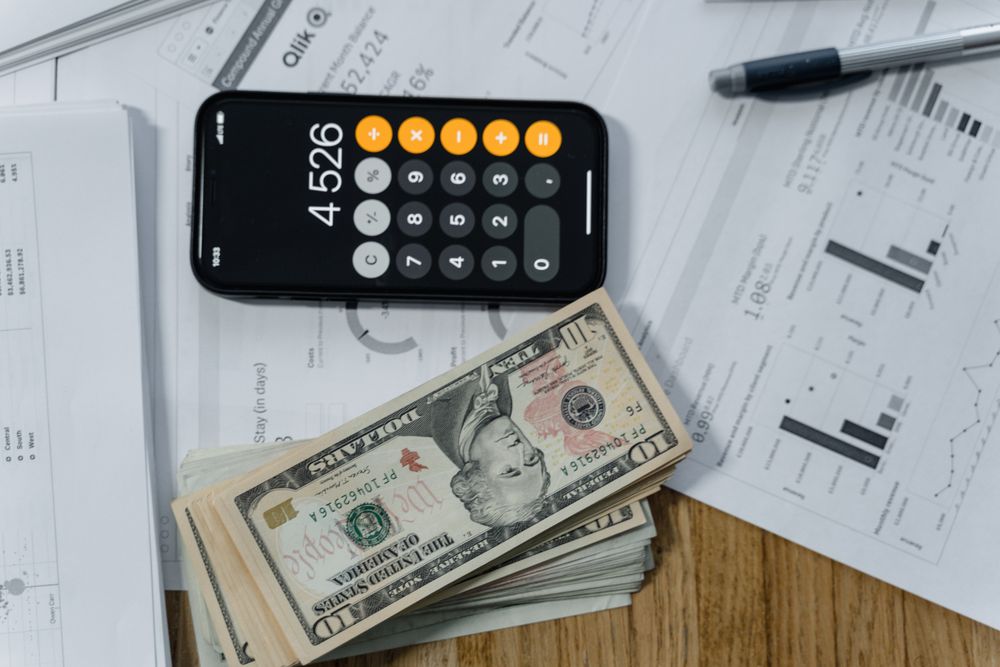
After months of defying gravity, the U.S. consumer finally hit a wall in July. Retail sales cratered 0.6%, marking the first decline in nine months and the steepest drop since May of last year. This was not a minor hiccup. Economists had actually predicted a modest 0.1% increase, so this miss was a shock to the system.
The sudden pullback signals that the spring spending spree, fueled by heftier tax refunds, has officially run its course. People are not just tightening their belts on big-ticket items. The decline was widespread, hitting auto dealers, electronics stores, and online retailers particularly hard. Even when stripping out volatile categories like gas and autos, core retail sales still fell for the second consecutive month, pointing to genuine weakness beneath the surface.
What is Really Going on Here?

Ron / Pexels / Goldman Sachs economists argue that the consumer strength seen in the spring was merely the temporary byproduct of a surge in tax refunds.
That money has now been spent. At the same time, gas prices remain nearly one dollar higher than a year ago, sucking up disposable income that could have gone to other purchases.
Wall Street is taking notice. Goldman is now projecting real consumer spending growth to slow to a mere 1% to 1.5% in the second half of this year. That would be the slowest pace since the early days of the pandemic recovery, a dramatic cooldown compared to the 2.5% annual growth recorded in June. The bank expects household cash flow to stagnate, meaning the average American simply will not have the firepower to keep spending as they did in the spring.
Consumer Confidence is in the Dumps
It is not just that people have less money. They feel worse about the future. The University of Michigan Consumer Sentiment Index plunged to 51 in August, ending two consecutive months of improvement. This marks an 8% drop from July, and it signals deep anxiety about rising living costs.
The pessimism is particularly acute among older consumers, lower-income households, and Republicans, with the latter group showing the steepest monthly decline. People are bracing for more pain, with year-ahead inflation expectations climbing to 4.3%. Only 8% of consumers believe their income will outpace inflation in the coming year, down from 18% just a few months ago. When people believe high prices are here to stay, they tend to spend less.
The Amazon Prime Day Excuse Does Not Hold Up
Some analysts initially tried to downplay the weak retail sales data, pointing to the fact that Amazon Prime Day was held in June this year rather than July. The logic was that shoppers simply moved their purchases earlier in the summer, artificially deflating July figures.
However, economists are not buying that excuse entirely. While the Prime Day shift likely played a role, the broader trend shows a sustained deterioration in demand. Goldman Sachs notes that even accounting for that shift, the sequential path of spending confirms the spring strength was a temporary blip, not a new norm. The underlying weakness in the data suggests consumers are genuinely pulling back, not just rearranging their shopping calendars.
Fed Rate Hike Odds are Crashing
Dex / Pexels / Goldman Sachs chief economist Jan Hatzius stated that a September rate increase has become "very unlikely," adding that market pricing for future hikes remains too aggressive.
The probability of a rate hike in September has now dropped to roughly 30%, down significantly from expectations just a month ago. Wall Street is now betting that the Fed will stay on the sidelines, fearing that hiking rates could further cripple a slowing economy.
The upcoming earnings reports from retail giants like Walmart, Home Depot, and Target will provide a crucial reality check on the state of the consumer. Walmart, in particular, will be closely watched for signs of trade-down behavior, where cash-strapped shoppers opt for cheaper alternatives.