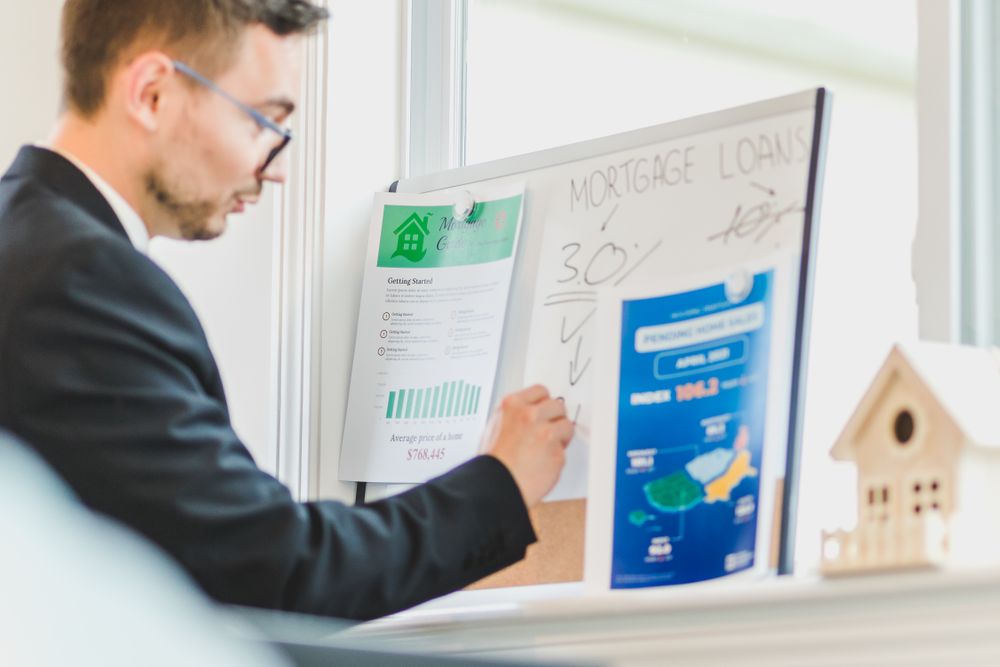
For millions of young Americans, buying a home feels less like a milestone and more like a financial obstacle course. Prices remain high, mortgage rates hurt monthly budgets, and affordable listings disappear quickly.
That frustration has given Gen Z an uncomfortable reason to hope for falling home prices. A major housing crash could theoretically create cheaper buying opportunities. But the 2026 market is showing little evidence of the nationwide collapse many frustrated buyers would welcome.
Current forecasts point toward a slow, stubborn housing market instead. J.P. Morgan Global Research expects U.S. home prices to remain roughly flat in 2026 before rising about 3% in 2027.
Other forecasts remain more positive about prices. The National Association of Realtors projected a 4% increase in the median home price for 2026, alongside a 4% increase in existing home sales.
Recent numbers support that picture. Existing home sales fell 1.7% in July to an annual rate of 4.06 million, while the median existing home price rose 2% from a year earlier to $434,100.
Gen Z Has Plenty of Reasons to Feel Frustrated
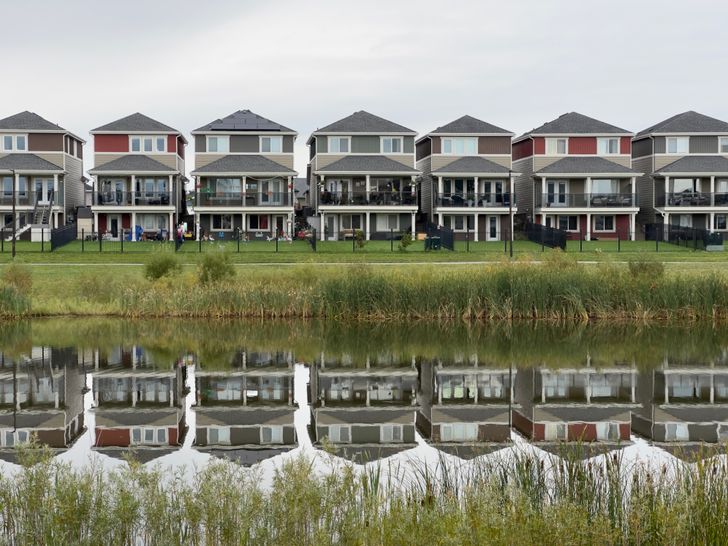
Gen / Pexels / Young adults still want homes, but getting through the front door has become much harder.
First-time buyers accounted for just 21% of buyers in the latest annual data, the lowest share recorded by the National Association of Realtors since its records began in 1981.
The age of those buyers tells an equally striking story. The median first-time buyer is now 40 years old, far above the late 20s commonly seen during the 1980s. Gen Z remains a small share of completed home purchases. The generation represented only 4% of buyers in recent NAR data, although that figure increased from 3% the previous year.
That small share does not mean Gen Z has abandoned ownership. Younger buyers who successfully enter the market are changing old habits, with 53% of Gen Z buyers purchasing alone and 35% identified as single women.
Newer mortgage data also shows that Gen Z is making progress despite the affordability squeeze. ICE reported that the generation accounted for nearly 20% of purchase mortgage rate locks during the second quarter of 2026, its largest share on record. A 2026 Bank of America survey found that 28% of Gen Z respondents were taking on extra work, while 32% were considering buying with friends or family to make ownership possible.
High Mortgage Rates Are Freezing Buyers and Sellers
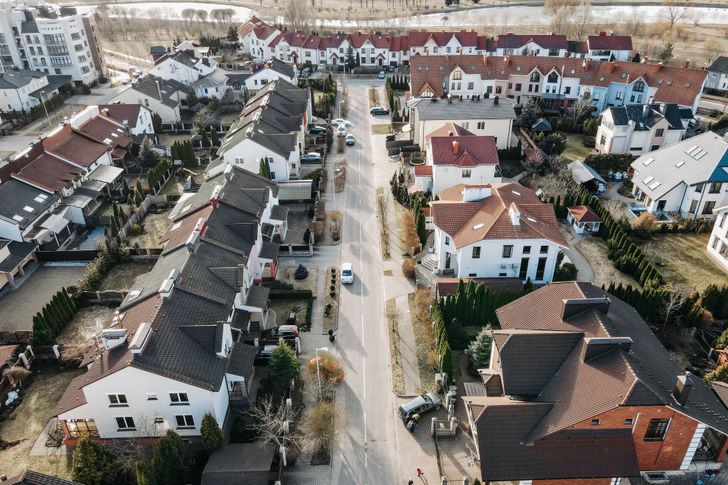
Pavel / Pexels / The national average rate for a 30-year fixed mortgage reached about 6.72% on August 21, keeping borrowing costs painfully high for households already dealing with expensive properties.
A rate near 7% can dramatically change a buyer's monthly payment compared with the ultra-low rates available during the pandemic. That difference can push an otherwise affordable property outside a household's budget without the seller changing the asking price.
Higher rates also create trouble on the other side of the transaction. Millions of existing homeowners secured much cheaper mortgages in previous years and have little financial reason to exchange those loans for today's rates.
Economists call this the mortgage rate lock-in effect. Roughly 80% of outstanding mortgages carried rates of 6% or lower earlier in 2026, according to housing data cited by the National Association of Home Builders.
That creates a frustrating loop for buyers. Owners stay put because moving costs too much, fewer existing homes reach the market, and limited supply prevents prices from falling as sharply as buyers might expect.